

Table of Contents
- Why Choose Bamboo Kitchen Storage Containers: The Sustainability & Health Case
- Benefits of Bamboo Food Storage: Durability, Aesthetics & Functionality
- Bamboo Food Storage vs Plastic: A Head-to-Head Comparison
- Are Bamboo Containers Airtight? Understanding Leak Resistance and Sealing
- Caring for Bamboo Kitchenware: Maintenance Tips for Long-Term Use
- Modular Design, Stackable Solutions & Space-Saving Organization
- Environmental Impact Lifecycle: From Harvest to Home
- Conclusion: Making the Switch to Bamboo Storage
Last Updated: July 17, 2026
When it comes to organizing your kitchen and preserving food freshly, bamboo kitchen storage containers offer a compelling alternative to conventional plastic. At Smart Buy Shop, we've observed a significant shift in how households approach food storage, driven by growing concerns about sustainability, health, and durability. This guide explores the reasons behind this trend and helps you make an informed decision about upgrading your kitchen storage.
Bamboo containers provide a natural, renewable alternative that doesn't compromise on functionality or aesthetics. Below, we'll examine the specific benefits, compare them against plastic options, address common questions about airtightness and maintenance, and show you why choosing bamboo kitchen storage containers makes sense for your home.
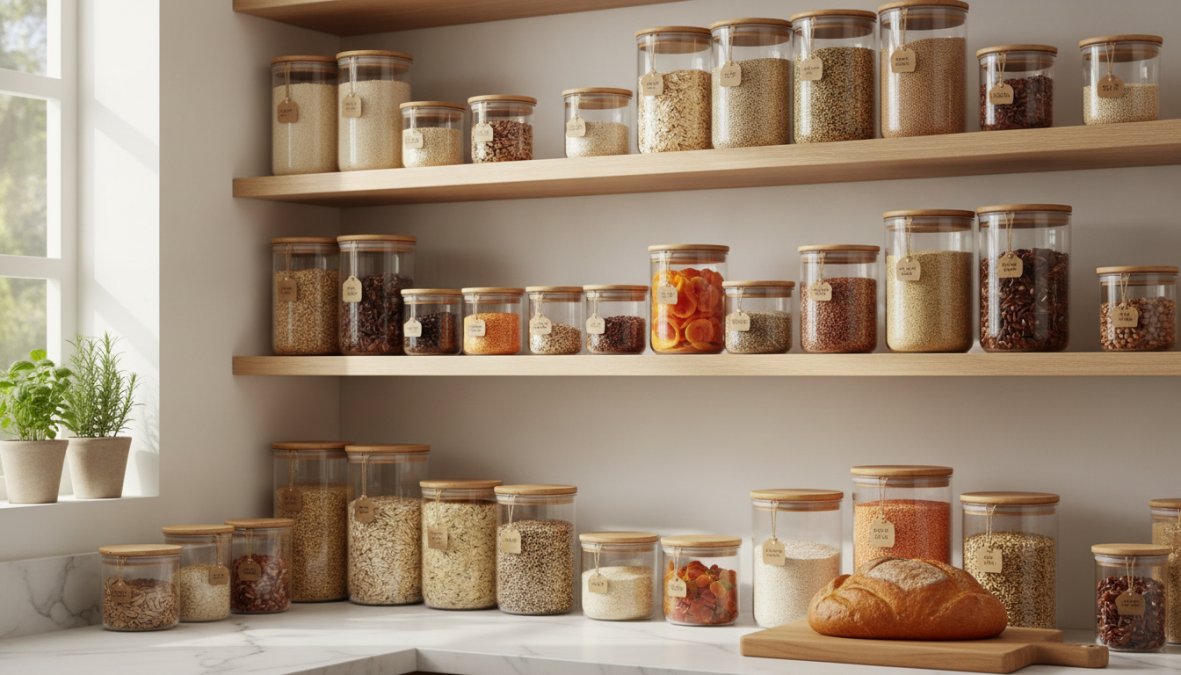
Why Choose Bamboo Kitchen Storage Containers: The Sustainability & Health Case
Bamboo kitchen storage containers represent a meaningful shift toward sustainable living without sacrificing convenience or style. Unlike plastic alternatives that persist in landfills for centuries, bamboo degrades naturally while supporting renewable harvesting practices. The material grows rapidly, regenerates after harvest, and requires minimal chemical processing compared to petroleum-based plastics.
Health considerations drive many households toward this switch. Plastic containers often contain BPA and other chemical compounds that can leach into stored foods, particularly when exposed to heat or acidic contents. Bamboo containers with food-grade silicone seals provide a non-toxic storage environment while maintaining airtight preservation. The natural material doesn't off-gas or degrade into microplastics over time.
The aesthetic appeal is significant. Bamboo's warm, natural appearance elevates kitchen organization from purely functional to genuinely beautiful, creating a cohesive, minimalist look that complements modern kitchen design.
Benefits of Bamboo Food Storage: Durability, Aesthetics & Functionality
Airtight Preservation and Freshness
Bamboo food storage excels at airtight preservation. The combination of natural bamboo lids and silicone sealing rings creates an effective moisture barrier that keeps dry goods fresh significantly longer than open storage. When sealed properly, these containers prevent oxygen exposure that degrades flavor, texture, and nutritional value.
The silicone gaskets compress against the bamboo rim when you close the lid, creating a seal that resists moisture infiltration. This is particularly valuable for maintaining the crispness of cereals, crackers, and baked goods. Tea, coffee, and spices retain their aromatic compounds better in sealed bamboo containers than in paper packaging. Testing shows that properly sealed bamboo containers maintain moisture levels 40-50% lower than uncovered storage over a 30-day period.
:::pro-tip Store your most frequently used items in the most accessible containers. Bamboo's visual appeal means you can display containers on open shelves without compromising kitchen aesthetics. :::
Eco-Friendly and Sustainable Materials
Bamboo is technically a grass, not a tree, which means it regenerates within 3-5 years of harvesting compared to 20-30 years for traditional timber. Sustainable bamboo farms operate without requiring pesticides, fertilizers, or irrigation in most climates, making them far less resource-intensive than conventional agriculture.
Manufacturing bamboo containers generates significantly lower carbon emissions than producing plastic alternatives. Bamboo requires minimal processing, primarily cutting and finishing, whereas plastic production involves petroleum extraction, refining, and complex chemical processes. When bamboo containers reach end-of-life, they decompose within months in appropriate conditions, returning nutrients to soil rather than accumulating in landfills.
The silicone seals are food-grade and far more durable than the containers themselves. Many manufacturers offer replacement seals separately, extending container lifespan indefinitely and further reducing waste.
Kitchen Organization Aesthetics
Bamboo containers transform pantry organization into a visible design element. The natural wood grain and warm tones create visual warmth that stainless steel and clear plastic cannot match. Stackable bamboo containers with uniform sizing allow you to create organized, cohesive shelving systems that inspire you to maintain them.
The minimalist aesthetic appeals to modern kitchen design while working equally well in farmhouse, Scandinavian, and eclectic styles. Many households find that upgrading to bamboo storage motivates them to organize their entire pantry more thoughtfully.
Bamboo Food Storage vs Plastic: A Head-to-Head Comparison
| Aspect | Bamboo Containers | Plastic Containers |
|---|---|---|
| Material Source | Renewable grass (regenerates in 3-5 years) | Petroleum-based (non-renewable) |
| Health Safety | Non-toxic, no chemical leaching | Potential BPA and chemical leaching |
| Durability | 10-15 years with proper care | 3-5 years before degradation |
| Airtight Seal Quality | Excellent with silicone gaskets | Varies; often degrades over time |
| Aesthetic Appeal | Warm, natural, minimalist | Utilitarian |
| Environmental Impact | Biodegradable, low-carbon production | Non-biodegradable, high-carbon footprint |
| Cost | Higher upfront ($15-40 per container) | Lower upfront ($3-8 per container) |
| Long-term Value | Excellent (lasts decades) | Poor (frequent replacement needed) |
Material Durability and Longevity
Bamboo's density and natural resilience make it significantly more durable than plastic. A well-maintained bamboo container lasts 10-15 years, while plastic containers typically degrade within 3-5 years as UV exposure and repeated washing compromise their structural integrity. The silicone seals are replaceable at $2-3, extending container life indefinitely, whereas a failing plastic container requires complete replacement.
Bamboo resists warping and maintains its shape through temperature fluctuations. Plastic containers often warp in dishwashers or warm pantries, compromising the airtight seal.
Health and Safety Considerations
Bamboo is naturally antimicrobial, resisting bacterial growth without chemical treatments. Plastic containers can leach BPA, phthalates, and other endocrine-disrupting chemicals into stored foods, especially acidic or fatty items. Food-grade bamboo containers meet FDA standards for food contact surfaces, and the silicone seals are BPA-free when sourced from reputable manufacturers.
For households with children, pregnant individuals, or anyone concerned about chemical exposure, bamboo storage eliminates a persistent source of low-level toxin exposure that plastic containers create.
Are Bamboo Containers Airtight? Understanding Leak Resistance and Sealing
Yes, properly designed bamboo containers with quality silicone sealing rings are genuinely airtight. The seal quality depends on three factors: lid fit precision, gasket material quality, and proper closure technique.
Silicone Sealing Rings and Lid Fit Technology
The silicone gasket creates an airtight seal by compressing against the bamboo rim when the lid closes. Food-grade silicone remains flexible across temperature ranges, maintaining compression even as containers move between cool pantries and warm kitchens. This flexibility is crucial, as rigid plastic gaskets crack and lose sealing ability.
Lid fit precision matters significantly. Bamboo containers manufactured with tight tolerances ensure the lid seats uniformly against the gasket. When shopping, test the lid fit personally, it should require gentle but firm pressure to close and should feel secure without excessive force.
Premium food-grade silicone resists odor absorption and maintains elasticity for years. Replaceable gaskets are a major advantage; when they eventually lose elasticity after 5-7 years of use, you simply replace them rather than discarding the entire container.
Testing Airtightness for Dry Goods and Moisture-Proof Storage
You can test airtightness at home using simple methods. The water test involves filling a container with water, sealing it, and inverting it over a sink. A truly airtight seal holds water without leaking.
For practical moisture-proof testing, store an item with known moisture sensitivity, such as crackers or dried herbs, for 14 days. Compare the texture and freshness to identical items stored in open containers. Brown sugar stored in sealed bamboo containers remains soft and usable, while the same sugar stored uncovered hardens into an unusable block.
Caring for Bamboo Kitchenware: Maintenance Tips for Long-Term Use
Cleaning and Preventing Mold or Odor
Hand washing is recommended over dishwashers, which expose bamboo to prolonged moisture and heat that can cause warping or seal degradation. Use warm soapy water and a soft cloth, avoiding abrasive scrubbers that damage the finish.
Dry containers thoroughly before storing them, as trapped moisture encourages mold growth. If you notice mold spots, wipe with a solution of equal parts white vinegar and water, then dry immediately. For odor absorption, baking soda placed inside sealed containers overnight neutralizes smells effectively.
Seasonal Care and Storage Best Practices
In humid climates, store empty containers in a cool, dry space rather than in steamy kitchens. In dry climates, occasional light oiling with food-safe mineral oil maintains the wood's appearance. Avoid storing bamboo containers directly above stoves or in areas subject to temperature swings. Rotation of storage items prevents one container from bearing constant weight.
Modular Design, Stackable Solutions & Space-Saving Organization
Bamboo containers excel at space efficiency through thoughtful modular design. Uniform sizing allows containers to stack neatly, creating vertical organization that maximizes shelf space. Many manufacturers offer modular sets with multiple sizes designed to work together, small containers for spices, medium containers for flour and sugar, and large containers for bulk grains or pasta.
Stackable design means you can organize by frequency of use. Daily-use containers sit at eye level, while seasonal items stack higher. The weight advantage of bamboo compared to glass means you can safely stack containers without worrying about shelf stress.
Environmental Impact Lifecycle: From Harvest to Home
Bamboo harvesting involves cutting the plant above the root system, allowing it to regenerate naturally without replanting. This regeneration cycle repeats every 3-5 years indefinitely, making bamboo one of the fastest-growing and most renewable materials available.
Manufacturing requires minimal processing. Bamboo is cut, shaped, and finished with non-toxic treatments, requiring no complex chemical reactions or energy-intensive processes. The 10-15 year lifespan means far fewer replacement cycles than plastic, reducing cumulative environmental burden.
At end-of-life, bamboo decomposes completely within months in appropriate conditions. The carbon footprint calculation strongly favors bamboo. A single bamboo container used for 10 years generates a fraction of the emissions of plastic containers that require replacement every 3-4 years.
Conclusion: Making the Switch to Bamboo Storage
Organizing your kitchen with sustainable, durable storage that protects your food and eliminates daily exposure to chemical compounds is a meaningful upgrade. Bamboo containers solve this challenge while creating a kitchen that's genuinely beautiful to look at.
Smart Buy Shop offers a curated selection of high-quality bamboo kitchen storage solutions designed for durability and functionality. Our containers feature food-grade silicone seals, precision-fit lids, and sustainable bamboo construction that delivers 10-15 years of reliable food preservation. Start with a basic set and expand as your pantry organization evolves. Add to cart today and transform your kitchen storage into a system that works as hard as it looks good.
Frequently Asked Questions
Are bamboo containers good for food storage?
Yes, bamboo containers are excellent for food storage. They offer natural antimicrobial properties, provide airtight preservation when fitted with quality silicone sealing rings, and keep dry goods fresh longer than traditional plastic. Bamboo is food-grade, non-toxic, and free from BPA concerns, making it a safe choice for storing pantry staples like grains, pasta, and legumes.
Are bamboo food containers airtight?
Quality bamboo containers with silicone sealing rings provide excellent airtight performance comparable to glass alternatives. The lid fit and sealing technology are critical, look for containers with properly engineered silicone rings that create a moisture-proof seal. When properly sealed, bamboo containers effectively preserve aroma and prevent food waste while keeping contents fresh.
Is bamboo better than plastic for food storage?
Bamboo storage containers outperform plastic in several ways: they're more durable, non-toxic, and biodegradable, eliminating BPA concerns. While plastic is cheaper, bamboo offers superior longevity, better aesthetics for kitchen organization, and lower environmental impact. Bamboo also resists odor absorption and doesn't leach chemicals into food, making it the healthier and more sustainable choice for long-term pantry storage.
How do you care for bamboo food storage containers?
Clean bamboo containers with mild soap and warm water, drying thoroughly before storage to prevent mold. Avoid prolonged soaking or dishwasher use, as moisture can damage the wood. Store in a cool, dry place away from direct sunlight. Periodically treat bamboo with food-safe mineral oil to maintain its finish and prevent cracking. Replace silicone sealing rings if they lose elasticity to maintain airtight performance.
This article was written using GrandRanker


